Source street jump bmx bike for Kids, Stunts, and Training
Compare 30 street jump bmx bike listings from Hebei manufacturers. Buyers can review specs like 12-20 inch wheels, steel frames, and single-speed options for children aged 3 to 8 years.
Key considerations
Products List


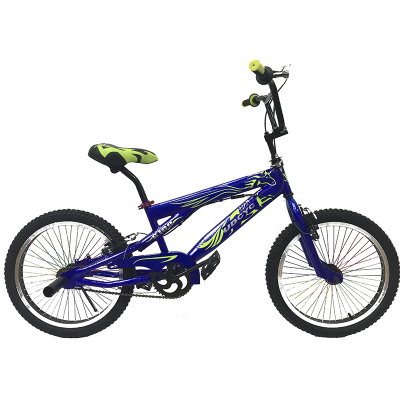
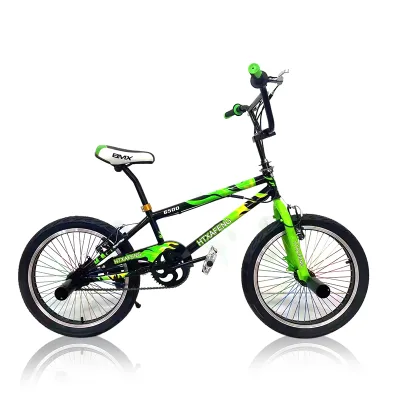
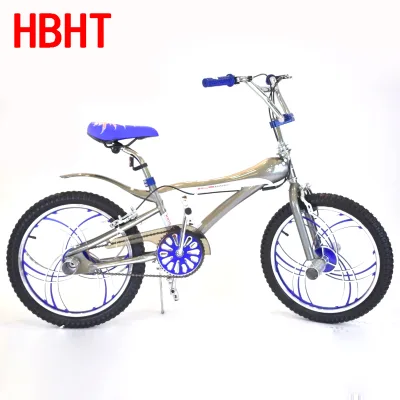
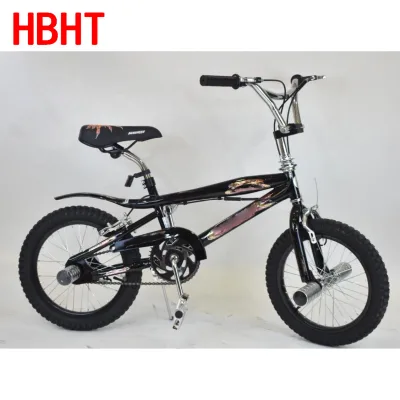
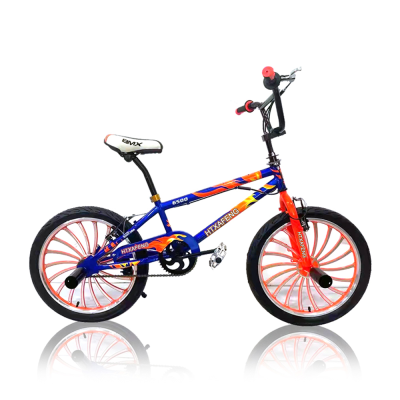
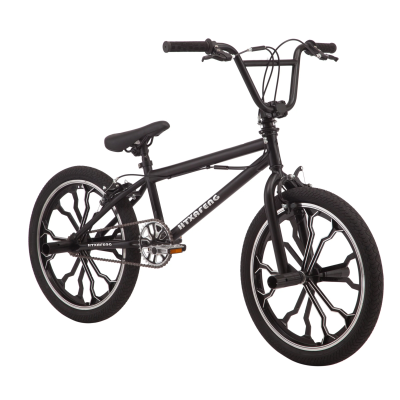
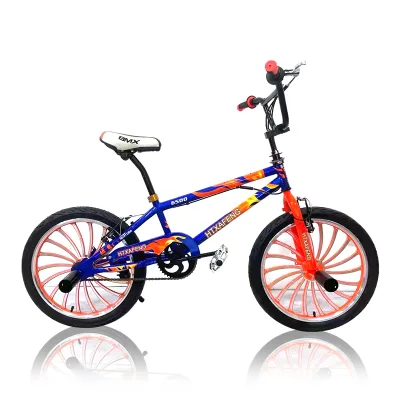


Comprehensive Sourcing Guide
Strategic Sourcing Guide for Street Jump BMX Bikes
Understanding the Product Category and Technical Specifications
When sourcing a street jump BMX bike, buyers must first distinguish between general utility bicycles and specialized performance equipment designed for high-impact maneuvers. The product landscape for this category often includes a mix of children's recreational bikes and adult-oriented stunt frames. Based on available market data, the term "BMX" in this context frequently overlaps with "Kids Bike" or "Small Motorcycle for Kids" classifications, particularly when wheel sizes range from 12 to 20 inches.
Technical specifications are the primary differentiator in this sector. The frame material is a critical starting point; observed data indicates that many units in this price and size bracket utilize steel frames. Steel offers a balance of durability and cost-effectiveness, which is essential for street jumping where impacts are frequent. However, buyers must verify if the specific steel alloy meets the rigidity requirements for high-impact landings. The wheel size is another pivotal specification. While standard adult BMX frames typically feature 20-inch wheels, the observed inventory includes significant volumes of 12-inch and 16-inch models. These smaller sizes are explicitly categorized for children aged 3 to 8 years or under 3 years, suggesting that a "street jump" bike for this specific supply chain may be a scaled-down version intended for youth training or recreational use rather than professional adult competition.
The drivetrain and braking systems also require close scrutiny. The observed specifications point to a "One-Piece Crankset" and "V-Brake" systems. A one-piece crankset is a robust, integrated design common in entry-level and mid-range bikes, offering durability but potentially less adjustability than separate crank arms. V-Brakes provide reliable stopping power, but for street jumping, the leverage and modulation of the brake lever are crucial. The brake levers observed are made of alloy, which is a positive indicator for corrosion resistance and weight reduction compared to plastic alternatives. The rim material is listed as steel, which is standard for this category but heavier than aluminum, affecting the bike's agility during jumps.
Compliance, Certification, and Safety Standards
In the B2B procurement of bicycles, particularly those marketed for children or intended for high-impact activities, compliance with safety standards is non-negotiable. The supply data confirms the presence of CE certification for certain models in this category. The CE mark indicates that the product meets European Union safety, health, and environmental protection requirements. For buyers targeting international markets, verifying that the CE certification is valid and covers the specific model being sourced is a mandatory step.
Beyond the CE mark, buyers should investigate the adherence to specific dimensional and structural standards. The observed data lists "24' 26' 32'" and "1388360" as product standards. These likely refer to packaging dimensions or specific frame geometry tolerances rather than safety performance metrics. However, the presence of "Export Standard" packaging and "Standard Export Carton Packing" suggests that the manufacturer adheres to logistics norms that protect the product during transit, which indirectly supports the integrity of the bike upon arrival.
For street jump applications, the structural integrity of the frame and the weld quality are paramount. While the provided facts do not list specific impact test results, the "Factory: Yes, Yes" attribute confirms that the suppliers are manufacturers rather than trading companies. This is a significant advantage for quality assurance, as manufacturers have direct control over the welding and assembly processes. Buyers should request documentation regarding the welding standards used, specifically looking for continuous welds on the frame joints, which are essential for withstanding the torsional forces generated during street jumps.
Cost Drivers and Pricing Dynamics
The pricing for street jump BMX bikes in this supply chain is influenced by several key variables. The observed price range of 12 to 90 USD indicates a broad spectrum of products, likely spanning from basic children's models to more robust, feature-rich units. The lower end of this range typically corresponds to the 12-inch and 16-inch models intended for younger children, while the higher end may reflect the 20-inch frames with more advanced components.
Material costs are a primary driver. The use of steel for both the frame and rims keeps costs down compared to aluminum or carbon fiber alternatives. However, the weight of the bike increases, which can be a disadvantage for performance-oriented jumpers. The "One-Piece Crankset" is another cost-saving component; while durable, it is less expensive to manufacture than a separate crankset with a bottom bracket.
Packaging and logistics also impact the final cost. The data indicates a "CKD/SKD85%" (Completely/Semi Knocked Down) packaging strategy. This means the bikes are shipped partially assembled to reduce volume and shipping costs. This approach lowers the landed cost for the buyer but requires local assembly capabilities or labor. The "Gross Weight" of 10.5kgs and "Net Weight" of 9.5kgs for specific models provide a baseline for freight calculations. Buyers should note that the "MOQ" (Minimum Order Quantity) varies significantly, ranging from 2 to 500 units, with some specific models requiring a MOQ of 300 PCS. This variability allows buyers to tailor their order size to their budget and storage capacity, but it also means that unit costs will fluctuate based on volume.
Typical Applications and Target Demographics
The application of these bikes is heavily segmented by age and intended use. The data explicitly categorizes several models as "Suitable for: Boys, Girls" with an age range of "3-8 Years" or "< 3 Years". This suggests that a significant portion of the "BMX" inventory in this supply chain is designed for youth recreational use rather than professional street jumping. These bikes are likely used in playgrounds, parks, or small-scale training environments where the intensity of jumps is moderate.
However, the "Type: BMX" and "Type: Ramp" attributes indicate that some models are specifically engineered for ramp usage. These bikes may be used for learning basic jumps or for entry-level street riding. The "Folded: Unfolded" and "Foldable: Not Foldable" attributes show that the market offers both rigid and folding options. For street jumping, a non-foldable frame is generally preferred for its structural rigidity and stability during landings.
The "Color" options, including Red, Blue, and Green, along with "Sticker: OEM" capabilities, highlight the importance of aesthetics in this market. For children's bikes, color is a primary purchasing factor. For B2B buyers, the ability to customize colors and apply OEM stickers allows for branding opportunities, making these bikes suitable for rental fleets, school programs, or branded merchandise.
Supplier Evaluation and Manufacturing Capabilities
Evaluating suppliers for street jump BMX bikes requires a focus on their manufacturing footprint and customization capabilities. The data confirms that the origin is "Hebei, Xingtai, Guangzong" and "Xingtai, Hebei, China". This region is a known hub for bicycle manufacturing in China, offering a mature supply chain for components like frames, wheels, and brakes.
The "Factory: Yes, Yes" attribute is a critical indicator of supplier capability. Direct manufacturers can offer better quality control, faster lead times, and more flexibility for customization compared to trading companies. The "Customization: Available" attribute further supports this, suggesting that buyers can request specific modifications to the frame, color, or components.
When evaluating suppliers, buyers should verify their production capacity and lead times. The observed "Delivery Time: 25 Days" provides a benchmark for planning. However, buyers should confirm if this lead time is consistent for custom orders or if it varies based on the MOQ. The "MOQ: 300 PCS" for specific models indicates that smaller orders may face higher per-unit costs or longer lead times.
Buyers should also assess the supplier's experience with "As customer's demand to produce any types" production. This flexibility is crucial for street jump bikes, which often require specific frame geometries or reinforced components. A supplier that can adapt to custom demands is better positioned to meet the unique needs of a buyer's market.
Quality Control and Long-Term Procurement Considerations
Quality control in the BMX sector must address the unique stresses of street jumping. While the observed data lists "CE" certification, buyers should implement additional quality checks. The "Steel" frame material requires inspection for weld quality, as poor welding can lead to frame failure under impact. The "V-Brake" system should be tested for responsiveness and durability, ensuring that the brake pads and levers function correctly after repeated use.
Long-term procurement considerations include the availability of spare parts and the durability of the components. The "One-Piece Crankset" and "Steel" rims are robust but may require replacement over time. Buyers should negotiate terms for the supply of spare parts, such as brake pads, tires, and chains, to ensure the longevity of the fleet. The "Packaging: CKD/SKD85%" strategy implies that local assembly is required, so buyers must ensure that the assembly instructions and tools are included to maintain quality standards during the final build.
The "Standard Export Carton Packing" and "Export Standard" packaging suggest that the products are designed for international shipping. However, buyers should verify that the packaging is sufficient to protect the bikes during transit, especially for fragile components like the brake levers and rims. The "Gross Weight" and "Net Weight" data should be used to calculate accurate freight costs and ensure that the shipping containers are not overloaded.
In conclusion, sourcing street jump BMX bikes from this supply chain offers a range of options from children's recreational models to more specialized ramp bikes. By focusing on technical specifications, verifying certifications, understanding cost drivers, and evaluating supplier capabilities, buyers can make informed decisions that align with their market needs. The key is to balance the cost-effectiveness of steel frames and one-piece cranksets with the durability requirements of street jumping, ensuring that the final product meets both safety standards and performance expectations.
Comparison of Key Product Attributes
| Attribute | Observation 1 | Observation 2 | Observation 3 |
|---|---|---|---|
| Wheel Size | 12 Inch | 16 Inch | 20 Inch |
| Age Group | < 3 Years | 3-8 Years | General / Kids |
| Frame Material | Steel | Steel | Steel |
| Brake Type | V-Brake | V-Brake | V-Brake |
| Crankset | One-Piece | One-Piece | One-Piece |
| Certification | CE | CE | CE |
| Origin | Hebei, China | Hebei, China | Hebei, China |
| MOQ | 2 - 500 | 300 PCS | 2 - 500 |
| Lead Time | 25 Days | 25 Days | 25 Days |
| Packaging | CKD/SKD | Standard Export | Standard Export |
This table summarizes the variability in the product range, highlighting that while core components like the frame material and brake type remain consistent, the wheel size and age suitability vary significantly. This variation allows buyers to target different market segments, from toddlers to older children, while maintaining a consistent supply chain strategy.
FAQs
What certifications do these street jump BMX bikes have?
These bikes carry CE certification to meet European safety standards. Buyers should verify that the specific model holds a valid CE mark before importing to ensure compliance with international regulations.
Which frame materials are used for these bikes?
The frames are constructed from steel to balance durability and cost. This material choice supports high-impact maneuvers while keeping the unit price within the observed 12 to 90 USD range.
How long is the delivery time for these orders?
The standard delivery time is 25 days from order confirmation. This lead time applies to standard production runs, though custom orders may require additional scheduling verification.
Can I customize the color and branding of the bikes?
Customization is available for colors like red, blue, and green with OEM sticker options. Buyers can request specific branding to align with their target market or rental fleet requirements.
What is the minimum order quantity for these bikes?
The minimum order quantity ranges from 2 to 500 units depending on the model. Some specific models require a minimum of 300 pieces, so buyers must check the exact requirement for their selection.
Where are these street jump BMX bikes manufactured?
These bikes originate from factories in Hebei, Xingtai, and Guangzong, China. This region is a known manufacturing hub offering direct factory access for quality control and production flexibility.